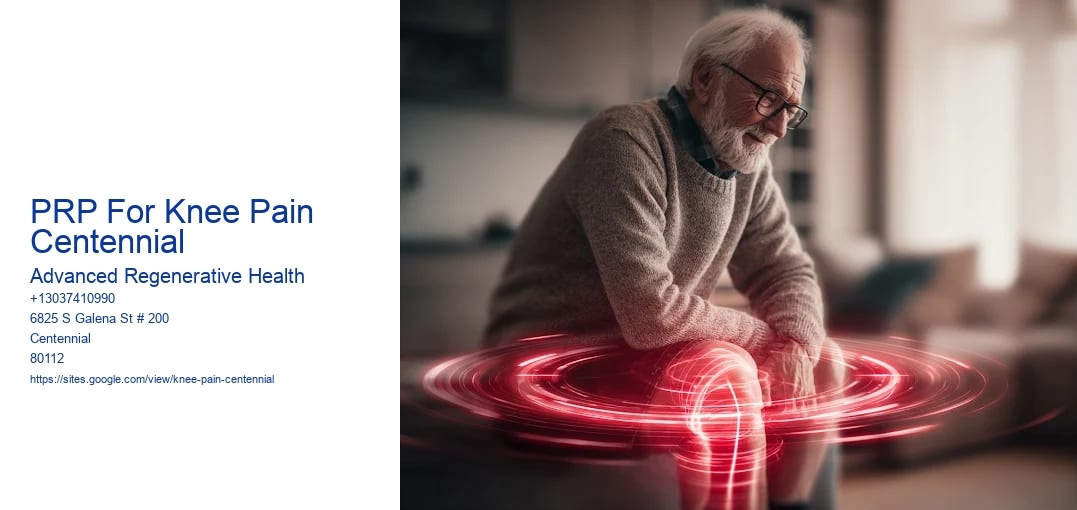
How PRP Therapy Works for Knee Pain
PRP Therapy, or Platelet-Rich Plasma Therapy, has emerged as a promising treatment for knee pain, particularly for individuals in Centennial seeking alternative solutions to manage their discomfort. Alternatives To Knee Surgery near me . This innovative procedure utilizes the bodys own healing mechanisms to promote recovery and reduce pain, offering a natural and less invasive option compared to traditional methods like surgery or long-term medication use.
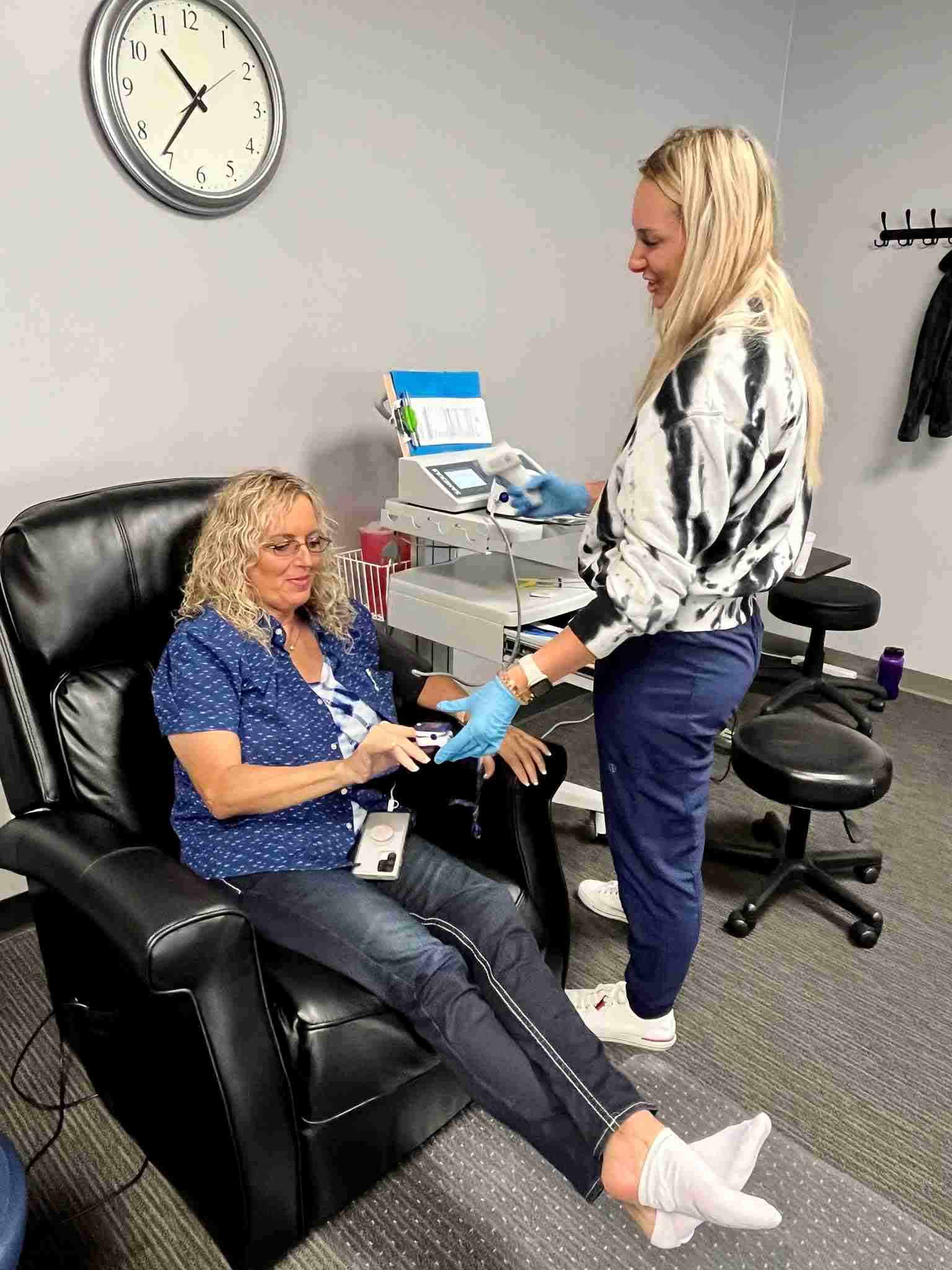
The process begins with the extraction of a small amount of the patients blood. This blood is then placed into a centrifuge, a device that spins rapidly to separate the blood components.
Centennial CO Advanced Pain Care
- Joint Regeneration Doctor Centennial CO
- Our clinic makes centennial co neuropathy care easier than trying to assemble furniture without instructions
- Centennial CO Advanced Pain Care
One of the primary benefits of PRP Therapy for knee pain is its ability to enhance the bodys natural healing process. The growth factors released from the concentrated platelets can stimulate tissue regeneration, reduce inflammation, and increase collagen production. This can lead to improved joint function and a reduction in pain, allowing patients to regain mobility and enjoy a better quality of life.
For many residents of Centennial, PRP Therapy presents an appealing option due to its minimally invasive nature. Unlike surgery, which can require significant downtime and pose risks of complications, PRP Therapy is typically performed in an outpatient setting with minimal recovery time. Patients can often resume their normal activities shortly after the procedure, experiencing gradual improvements over the following weeks.
Moreover, PRP Therapy is a versatile treatment that can be tailored to the specific needs of each patient. It can be used alongside other therapies such as physical therapy, providing a comprehensive approach to managing knee pain. This adaptability makes it suitable for a wide range of individuals, from athletes seeking to recover from injuries to older adults dealing with chronic osteoarthritis.
In conclusion, PRP Therapy offers a promising and natural alternative for individuals in Centennial suffering from knee pain. By harnessing the bodys own healing capabilities, this treatment can effectively reduce pain, improve joint function, and enhance overall well-being. As more people seek out non-invasive and holistic approaches to managing pain, PRP Therapy continues to gain popularity as a viable and effective solution.
Benefits of PRP Treatment for Knee Pain
Platelet-Rich Plasma (PRP) treatment has emerged as a promising option for individuals suffering from knee pain, particularly in Centennial. This innovative therapy harnesses the bodys natural healing processes, offering a non-surgical alternative to managing various knee conditions. The benefits of PRP treatment for knee pain are numerous and have made it an appealing choice for those looking to alleviate discomfort and improve joint function.
One of the primary benefits of PRP treatment is its ability to promote healing and tissue regeneration. PRP is derived from the patients own blood, which is processed to concentrate platelets and growth factors. These components are then injected directly into the knee joint, where they stimulate the repair of damaged tissues. This process can lead to significant improvements in pain relief and joint mobility, making daily activities more manageable.
PRP treatment is particularly beneficial for individuals with osteoarthritis, a common degenerative joint condition. As cartilage wears down over time, it can cause significant pain and stiffness. PRP injections can help reduce inflammation and slow the progression of cartilage damage, providing a longer-term solution compared to traditional pain medications or corticosteroid injections.
Another advantage of PRP treatment is its minimally invasive nature. Unlike surgical interventions such as knee replacement, PRP therapy involves a simple injection process with minimal downtime. This means patients can return to their normal activities more quickly, without the risks and recovery time associated with surgery.
Moreover, PRP treatment is associated with a low risk of adverse reactions. Since the therapy utilizes the patients own blood components, there is minimal chance of allergic reactions or rejection, making it a safe option for many individuals.
In Centennial, where active lifestyles are common, PRP treatment offers a way for individuals to maintain their mobility and continue participating in the activities they enjoy. Whether its hiking, biking, or simply walking without pain, PRP therapy can play a crucial role in enhancing quality of life.
In conclusion, PRP treatment for knee pain presents a compelling option for those seeking relief from joint discomfort. Its ability to promote natural healing, coupled with its safety and minimally invasive nature, makes it an attractive alternative to traditional treatments. For residents of Centennial dealing with knee pain, PRP therapy offers hope for a more comfortable and active future.

Risks and Considerations of PRP Therapy
Platelet-Rich Plasma (PRP) therapy has emerged as an innovative treatment option for knee pain, especially in conditions like osteoarthritis. While it holds promise due to its potential to promote healing and reduce inflammation, it is essential to understand the risks and considerations associated with this therapy to make informed decisions.
PRP therapy involves drawing a small amount of the patients own blood, processing it to concentrate the platelets, and then injecting it into the knee joint. These platelets release growth factors that can aid in tissue repair. However, despite its benefits, PRP therapy is not without risks.
Firstly, the effectiveness of PRP for knee pain can vary. While some patients report significant pain relief and improved function, others may experience minimal or no benefit. This variability can be due to differences in the severity of the condition, the specific PRP preparation used, or individual patient factors.
Additionally, as with any injection-based treatment, there is a risk of infection. Although the procedure is generally safe when performed under sterile conditions, infections can still occur and may require further medical intervention.
Our clinic makes centennial co neuropathy care easier than trying to assemble furniture without instructions
- Our clinic makes advanced prp treatments denver tech center easier than trying to assemble furniture without instructions
- Centennial CO Pain Relief Without Surgery
- Our clinic makes neuropathy doctor centennial co easier than trying to assemble furniture without instructions
Another consideration is the cost of PRP therapy. It is often not covered by insurance, as it is still considered experimental for many conditions. This means patients need to weigh the potential benefits against the financial burden, especially if multiple injections are recommended.
Furthermore, PRP therapy may not be suitable for everyone. Patients with certain medical conditions, such as blood disorders or active infections, may not be good candidates for the treatment. It is important for patients to discuss their full medical history with their healthcare provider to determine if PRP is a viable option.
In summary, while PRP therapy offers a potential alternative to more invasive procedures for knee pain, it is crucial to consider the associated risks and limitations. Patients should engage in thorough discussions with their healthcare providers to evaluate the potential benefits and drawbacks specific to their individual cases. By doing so, they can make well-informed decisions that align with their health goals and circumstances.
Success Stories and Testimonials from Centennial Patients
Platelet-Rich Plasma (PRP) therapy has become a beacon of hope for many suffering from knee pain, especially in Centennial, where numerous patients have shared their inspiring success stories and testimonials. Our clinic makes centennial co neuropathy care easier than trying to assemble furniture without instructions This innovative treatment harnesses the body's natural healing processes, which has led to significant improvements in the lives of countless individuals grappling with knee issues.
One such success story is that of John, an avid hiker in his late fifties. Before PRP therapy, John struggled with debilitating knee pain that made his beloved hikes nearly impossible. Traditional treatments provided little relief, and surgery seemed like the only remaining option. However, after learning about PRP therapy from a friend, John decided to give it a try. The results were nothing short of miraculous. After a few sessions, John's knee pain diminished significantly, allowing him to return to the trails he loves. His testimonial is a glowing endorsement of PRP's potential to transform lives: "PRP therapy gave me back my freedom. I can enjoy the outdoors again without constant pain."
Similarly, Sarah, a retired teacher and enthusiastic gardener, found herself unable to tend to her garden due to severe knee pain. Gardening had always been a source of joy and relaxation for her, but the pain was too overwhelming. After undergoing PRP therapy, Sarah experienced a remarkable improvement in her knee function and pain levels. Her testimonial reflects her gratitude: "PRP therapy was a game-changer for me. I can spend hours in the garden now, doing what I love without the fear of pain."
These stories are not isolated cases. Many Centennial patients have shared their positive experiences with PRP therapy for knee pain, each one highlighting the treatment's ability to restore mobility and improve quality of life. The enthusiasm and relief expressed in their testimonials are a testament to the effectiveness of PRP therapy. It's not just about alleviating pain; it's about restoring hope and enabling people to reclaim the activities that define their lives.
In Centennial, the adoption of PRP therapy for knee pain is growing, with more patients willing to explore this less invasive option before considering surgery. The collective success stories and testimonials serve as a powerful narrative of the treatment's potential, motivating others to explore PRP as a viable solution for knee pain. As these stories continue to unfold, they not only contribute to a growing body of evidence supporting PRP therapy but also inspire a sense of community among those who have experienced its benefits.


