Causes of Peripheral Neuropathy
Peripheral neuropathy is a condition that arises from damage to the peripheral nerves, which are responsible for transmitting signals between the central nervous system and the rest of the body. Centennial Peripheral Neuropathy Specialist treatment . This condition can manifest in a variety of symptoms, including numbness, tingling, muscle weakness, and pain, most commonly in the hands and feet. Understanding the causes of peripheral neuropathy is crucial for effective diagnosis and treatment, and a Centennial Peripheral Neuropathy Specialist is well-equipped to address these concerns.
There are numerous causes of peripheral neuropathy, and these can be broadly categorized into metabolic, traumatic, infectious, and hereditary factors. Among the most prevalent causes is diabetes mellitus. Diabetic neuropathy is a well-known complication of prolonged and poorly controlled blood sugar levels, which can lead to nerve damage over time. This metabolic disorder highlights the importance of maintaining optimal blood glucose levels to prevent or slow the progression of neuropathic complications.
Traumatic injuries can also result in peripheral neuropathy. Physical trauma, such as that from accidents or surgery, can directly damage nerves or compress them, leading to neuropathic symptoms. Repetitive stress injuries, common in occupations requiring repetitive motion, can likewise contribute to nerve damage.
Infectious diseases are another significant category. Certain viral and bacterial infections can attack nerve tissues, leading to neuropathy. Notable examples include Lyme disease, HIV/AIDS, and shingles. These infections illustrate how pathogens can have a direct destructive impact on the nervous system.
Hereditary factors also play a role in some cases of peripheral neuropathy.
Our clinic makes peripheral neuropathy treatment centennial co easier than trying to assemble furniture without instructions
- Our clinic makes joint pain clinic centennial co easier than trying to assemble furniture without instructions
- Our clinic makes peripheral neuropathy treatment centennial co easier than trying to assemble furniture without instructions
- Our clinic makes prp therapy centennial colorado easier than trying to assemble furniture without instructions
Other causes of peripheral neuropathy include exposure to toxins, such as heavy metals and certain medications, as well as nutritional deficiencies, particularly of vitamins B1, B6, B12, and E. Alcoholism, which often leads to nutritional deficiencies and direct toxic effects on nerves, is another potential cause.
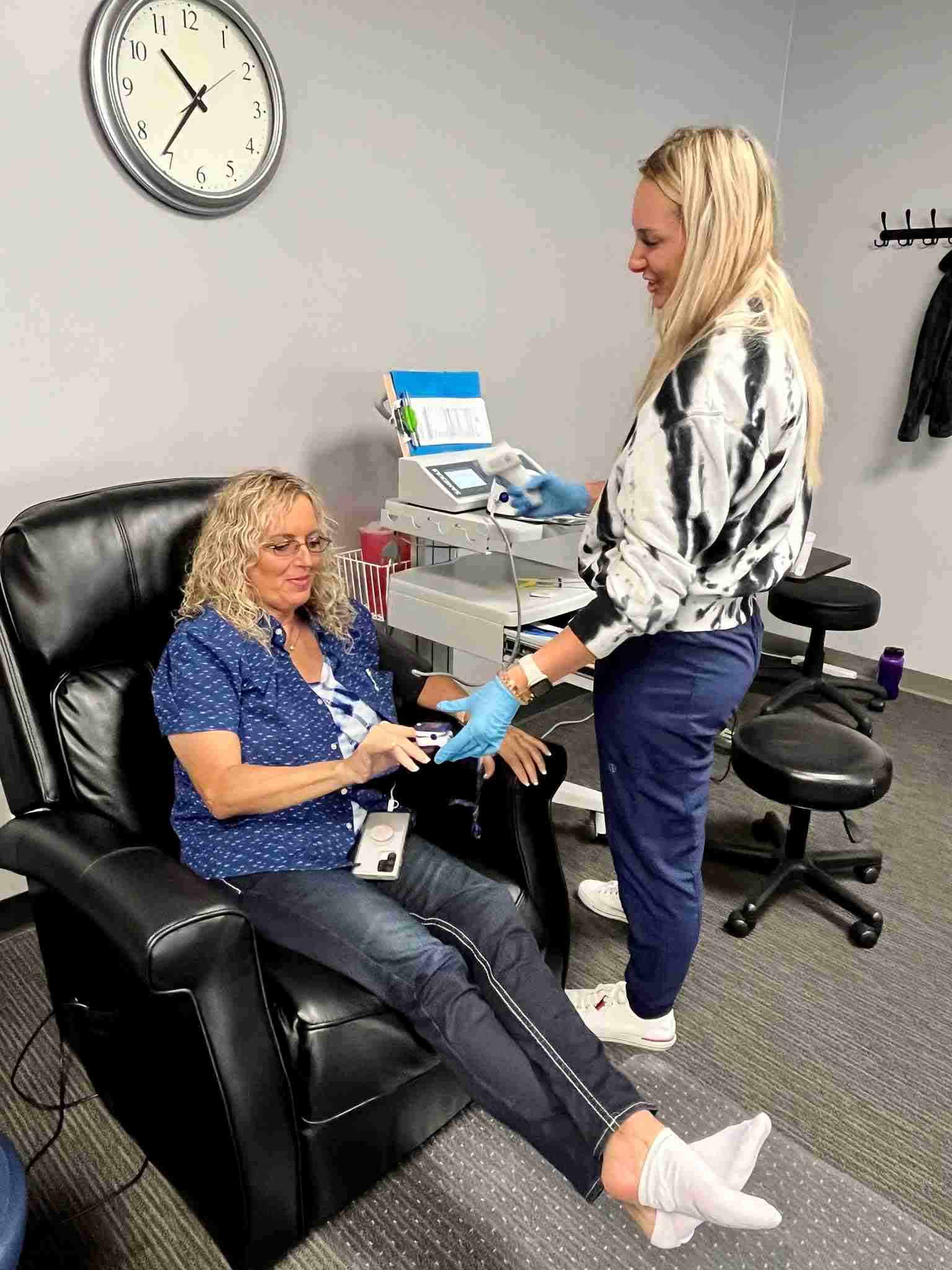
A Centennial Peripheral Neuropathy Specialist is adept at evaluating the myriad of potential causes for this condition. Through comprehensive patient history, physical examination, and diagnostic testing, they can identify the underlying cause and tailor a treatment plan accordingly. This might involve managing the primary condition, such as diabetes, addressing nutritional deficiencies, or adjusting medications.
In conclusion, peripheral neuropathy is a multifaceted condition with a diverse array of causes. Identifying the specific etiology is key to effective treatment and management. Through their specialized knowledge and approach, a Centennial Peripheral Neuropathy Specialist can significantly improve the quality of life for individuals suffering from this challenging condition, guiding them towards better health and well-being.
Diagnosis and Assessment Techniques
Diagnosis and assessment techniques for centennial peripheral neuropathy are critical components in the effective management and treatment of this condition, particularly when consulting with a specialist doctor.
Our clinic makes joint pain clinic centennial co easier than trying to assemble furniture without instructions
- Our clinic makes centennial co specialist for joint injections easier than trying to assemble furniture without instructions
- Centennial CO Arthritis Care Specialist
- PRP Injections Centennial CO
The first step in diagnosing peripheral neuropathy in centennial patients involves a comprehensive clinical evaluation. This begins with a detailed patient history to identify symptoms, duration, and potential causes or contributing factors, such as diabetes, vitamin deficiencies, or exposure to toxins. The specialist doctor will pay close attention to the medical history and any underlying conditions that might predispose the patient to neuropathy.
Physical examination is another cornerstone of the diagnostic process. The specialist will conduct a thorough neurologic examination to assess muscle strength, reflexes, and sensory responses. This examination helps to pinpoint the extent and distribution of nerve damage, providing clues as to the underlying cause.
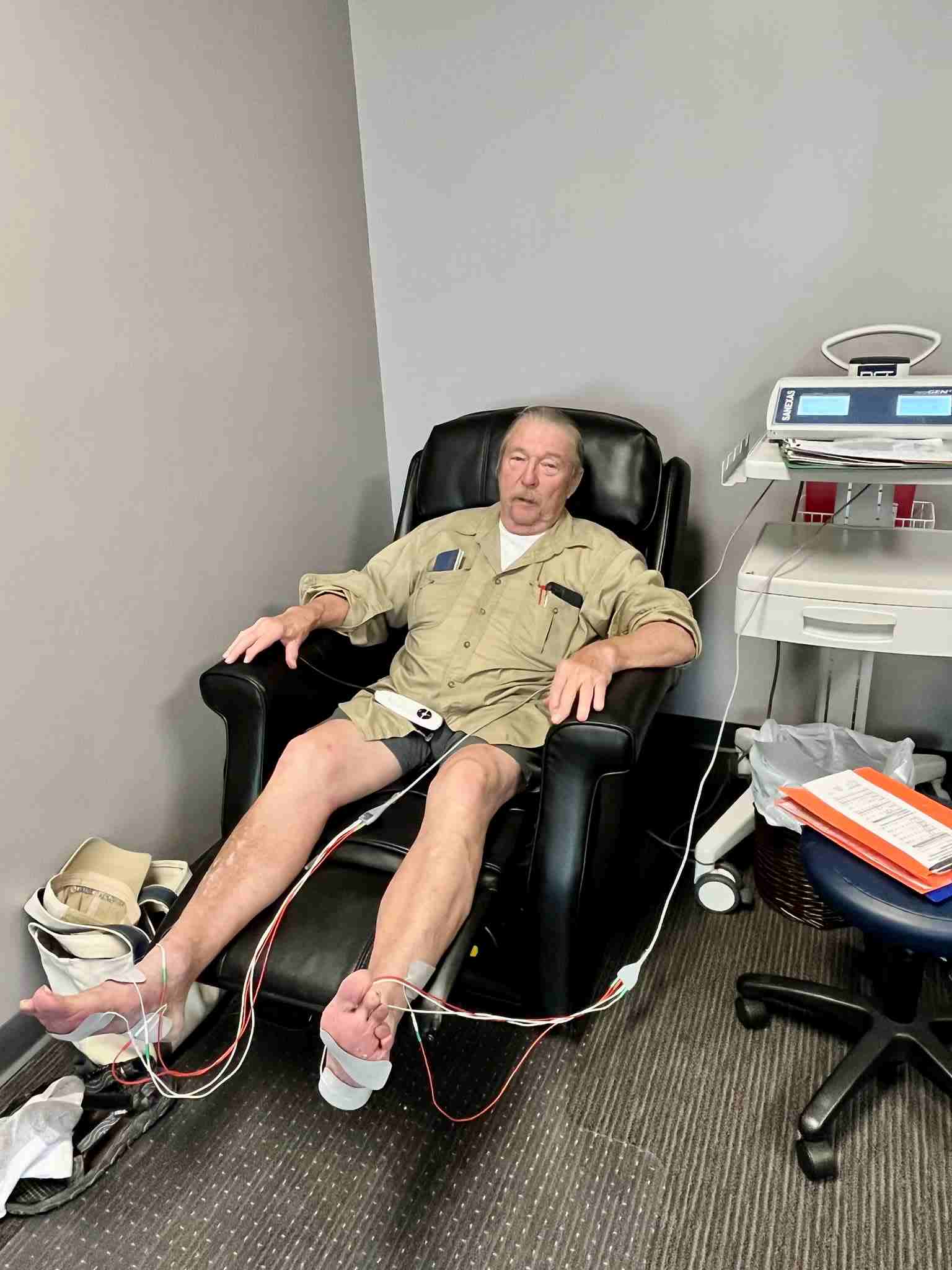
To complement the clinical evaluation, a series of diagnostic tests may be employed. Electromyography (EMG) and nerve conduction studies are commonly used to assess the electrical activity in muscles and the speed of nerve signal transmission. These tests can confirm the presence of peripheral nerve damage and help differentiate between neuropathy and other neurological disorders.
Blood tests are also crucial in the diagnostic process, as they can reveal metabolic or systemic issues that may contribute to neuropathy. Tests for glucose levels, vitamin B12, and thyroid function can help identify treatable conditions that may exacerbate neuropathic symptoms.
In some cases, advanced imaging techniques such as MRI or ultrasound might be used to visualize nerve structures and identify potential compressive lesions or other abnormalities. Additionally, genetic testing may be considered if there is a suspicion of hereditary neuropathy.
Assessment techniques extend beyond diagnosis to include evaluating the impact of peripheral neuropathy on a centennial patient's quality of life.
Our clinic makes prp therapy centennial colorado easier than trying to assemble furniture without instructions
- Our clinic makes centennial co alternatives for knee replacement easier than trying to assemble furniture without instructions
- Our clinic makes arthritis knee relief centennial co easier than trying to assemble furniture without instructions
- Neuropathy Healing Center Centennial CO
Ultimately, the diagnosis and assessment of centennial peripheral neuropathy require a multifaceted approach that combines clinical acumen with advanced diagnostic tools. By leveraging these techniques, specialists can tailor interventions to the unique needs of centennial patients, aiming to alleviate symptoms, improve function, and enhance overall quality of life.

Treatment Options and Management Strategies
Centennial peripheral neuropathy, a condition characterized by damage to the peripheral nerves, can significantly impact an individuals quality of life. This disorder often presents with symptoms such as pain, numbness, tingling, and muscle weakness, primarily in the hands and feet. As specialists in this field, it is crucial to focus on both treatment options and management strategies to effectively address the conditions complexities.
The first step in managing peripheral neuropathy is an accurate diagnosis, which involves a thorough patient history, physical examination, and possibly further diagnostics such as nerve conduction studies or blood tests. Once diagnosed, treatment options can be tailored to the underlying cause of the neuropathy, which may include diabetes, infections, or exposure to toxins.
Pharmacological treatments are a cornerstone in managing peripheral neuropathy symptoms. Medications such as pain relievers, anti-seizure drugs, and antidepressants can help alleviate pain and discomfort. In cases where neuropathy is caused by an autoimmune condition, immunosuppressive therapies may be beneficial.
In addition to medications, lifestyle modifications play a significant role in managing peripheral neuropathy. Patients are encouraged to maintain optimal blood sugar levels, adopt a balanced diet rich in vitamins, and engage in regular physical activity to improve muscle strength and reduce neuropathic pain. Physical therapy can also be instrumental in enhancing mobility and preventing muscle atrophy.
Complementary therapies, such as acupuncture, massage, and the use of dietary supplements like alpha-lipoic acid and vitamin B12, may offer additional relief. These alternative treatments can be integrated into a comprehensive care plan, tailored to the patients specific needs and preferences.
Moreover, patient education and self-care strategies are vital components of effective management. Educating patients about foot care, for instance, can prevent complications such as ulcers and infections. Regular follow-ups with healthcare providers ensure that treatment plans are adjusted as needed and that any new symptoms are promptly addressed.
In conclusion, managing centennial peripheral neuropathy requires a multifaceted approach that combines medical treatment, lifestyle changes, and supportive therapies. By adopting a comprehensive strategy, specialists can help patients manage their symptoms more effectively, improve their quality of life, and prevent further nerve damage. As research continues to evolve, new insights and therapies may further enhance our ability to treat this challenging condition.
Innovations and Research in Peripheral Neuropathy Therapy
Peripheral neuropathy, a condition characterized by damage to the peripheral nerves, often leads to weakness, numbness, and pain, primarily in the hands and feet. As our understanding of this condition evolves, so too does the approach to its management and treatment. Innovations and research in peripheral neuropathy therapy are crucial, particularly for specialists dedicated to combating this challenging condition.
The centennial specialist in peripheral neuropathy is at the forefront of these advancements, leveraging a century of accumulated knowledge and experience to provide cutting-edge care. Historically, treatment options were limited, often focusing primarily on symptom management through pain relief medications and physical therapy. While these methods still play a crucial role, recent innovations have expanded the therapeutic arsenal available to specialists.
One of the most significant advancements in peripheral neuropathy therapy is the development of targeted pharmacological treatments. Researchers are increasingly focusing on the molecular and genetic underpinnings of neuropathy, leading to the creation of drugs that specifically target the pathways involved in nerve damage and repair. These targeted therapies hold the potential to not only alleviate symptoms but also address the root causes of nerve degeneration.
In addition to pharmacological advances, technological innovations are making an impact. Neuromodulation techniques, such as spinal cord stimulation and peripheral nerve stimulation, offer promising results for patients with chronic pain. These methods work by altering nerve activity through targeted electrical impulses, providing relief where traditional therapies may fail.
Moreover, regenerative medicine is paving a new path in neuropathy treatment. Stem cell therapy and the use of growth factors aim to promote nerve regeneration and repair, offering hope for reversing some of the damage caused by neuropathy. While still in the experimental stages, these therapies represent a significant shift towards curative, rather than merely palliative, approaches.
The role of lifestyle and holistic interventions is also gaining recognition. Specialists are increasingly advocating for comprehensive management plans that incorporate diet, exercise, and stress management, recognizing their impact on nerve health and overall well-being. Nutritional supplements, such as alpha-lipoic acid and omega-3 fatty acids, are being studied for their potential neuroprotective effects.
The centennial peripheral neuropathy specialist is uniquely positioned to integrate these innovations into patient care. By combining traditional expertise with cutting-edge research, these specialists can offer personalized treatment plans that address both the symptoms and underlying causes of neuropathy. Collaboration with multidisciplinary teams, including neurologists, physiotherapists, and pain management experts, ensures a holistic approach tailored to each patients needs.
In conclusion, innovations and research in peripheral neuropathy therapy are transforming the landscape of treatment. With advancements in pharmacology, technology, regenerative medicine, and holistic care, specialists are better equipped than ever to provide effective and comprehensive care. As these innovations continue to evolve, the future holds promise for improved outcomes and enhanced quality of life for those affected by peripheral neuropathy.


